ADVERTISEMENT
According to the National Multifamily Housing Council, rental defaults have been increasing due to the current economic climate caused by the COVID-19 pandemic. A rental default occurs when a tenant is unable to pay their rent or other applicable fees when due, and the landlord or property manager is forced to take action.
For local small business owners and residential landlords who rely on rental income as their primary source of income, this can be a very serious issue. Knowing how to properly handle a rental default can help protect their business and minimize losses. Here are some important things to know about rental default.
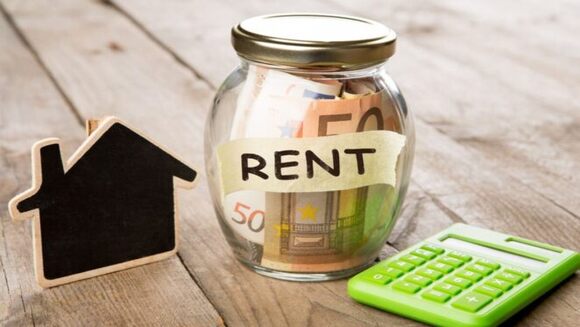
The first step in dealing with a rental default is to determine the cause of the problem. Has the tenant lost their job due to the pandemic? Are they dealing with a serious illness or some other family emergency? Being aware of why a tenant may be unable to pay rent is important in order to evaluate the best course of action.
The next step is to understand the legal protocols for handling a default. Different jurisdictions have various tenant’s rights laws, so it’s important to know the applicable rules in your area. Some states require landlords to provide tenants with a certain amount of notice before proceeding with any legal action.


It’s also important to remember that a rental default does not necessarily mean that the tenant must be evicted. In some cases, the landlord may be able to work out an alternate payment arrangement with the tenant, such as allowing them to pay a portion of the rent each month until the debt is paid off.
Finally, landlords should consider the potential consequences of pursuing legal action against a tenant for a rental default. If the tenant does not have the financial means to pay off the outstanding balance, the landlord could end up spending more time and money on court costs and legal fees then they would have to simply wait for the tenant to make the payments.
Rental defaults are a growing problem due to the current economic climate, and should not be taken lightly. It’s important for landlords and small business owners to be aware of their rights and responsibilities when dealing with a default, in order to ensure that it is handled properly and efficiently.
ADVERTISEMENT
What is Section 8 Program?
Renting Tips
7 Ways To Access Low Income Housing
Renting Tips
Best Low-Income Housing Grants: Bridging the Affordable Housing Gap
Renting Tips

Are pets allowed in low-income housing?
Renting Tips
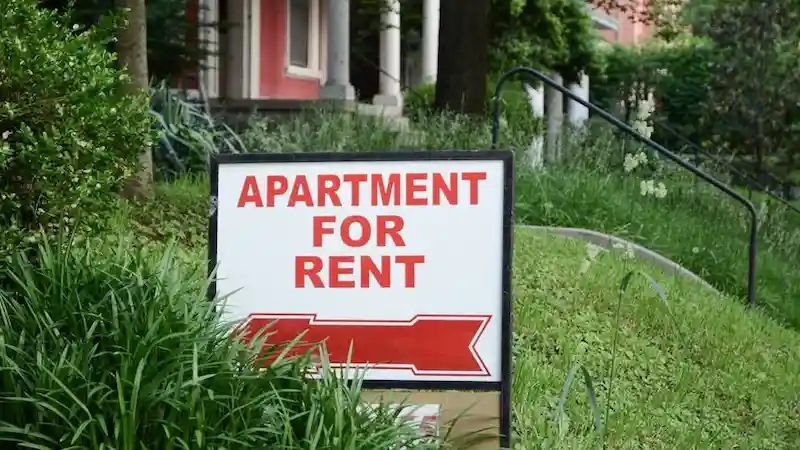
Where To Find Affordable Low Income Apartments for Rent Near Me?
Renting Tips

5 Benefits of Affordable Housing
Renting Tips
5 Methods To Discover Affordable Housing Without A Voucher
Renting Tips
Differences Between Public Housing and Subsidized Housing
Renting Tips
The Pros and Cons of Various Affordable Housing Options
Renting Tips




