ADVERTISEMENT
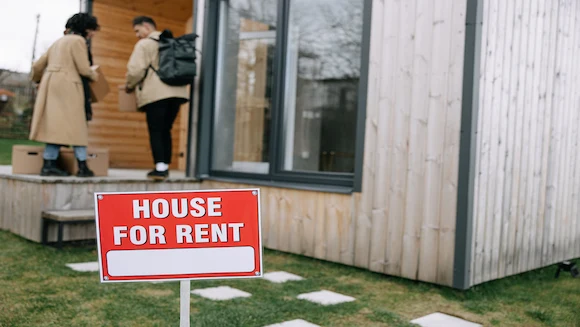
Finding a place to rent can be an exciting and overwhelming experience whether you’re a first-time renter or a seasoned veteran. Although renting can be a great way to get your housing needs met, there are some important areas you should pay attention to in order to protect yourself from common pitfalls. Here are some of the most common pitfalls to watch out for when you’re renting:
1. Read the Lease Agreement Carefully
Before signing any lease agreement, make sure you completely understand what you’re agreeing to. A lease agreement is a legally binding document and it’s important that you understand the terms of the agreement before signing it. Pay close attention to the monthly rent amount, the length of the lease, and what kind of lease agreement it is. Additionally, be sure to read the entire document carefully, because you may find provisions that could negatively impact your rights as a tenant.
2. Consider Your Housing Preferences
Renting a place can be exciting, but it’s important to ask yourself the right questions to ensure you find the right place for your needs. Consider the size and location of your housing as well as the amenities offered, such as parking, laundry facilities, and pet policies. You should also think about how long you’ll be living in the rental unit and the cost of living in your desired area.


3. Know the Law
Different states have different laws when it comes to landlord-tenant issues, so it’s important to familiarize yourself with the laws in your state. Be sure to learn about topics such as tenant rights, landlord responsibilities, security deposits, and more. Knowing your rights and responsibilities in advance can help you protect yourself from potential conflicts with your landlord.
4. Set a Reasonable Budget
You should always set a realistic budget when looking for a place to rent. Be sure to take into account both the monthly rent amount and any additional fees, such as security deposits. Make sure you know exactly what you can afford before committing to a rental agreement. This will help you avoid potential financial issues down the road.
5. Inspect Before Signing
Before signing any lease agreement, make sure you inspect the rental unit to ensure it is in good condition and suitable for your needs. Look for any existing damage, potential safety issues, and any other areas of concern. Additionally, check for signs of pests or mold, which can be a major issue if not addressed ahead of time.
6. Ask Questions
When you’re looking for a place to rent, don’t hesitate to ask questions. Ask your landlord questions about the rental unit, their policies, and any potential issues you should be aware of. Additionally, ask questions about any other tenants in the building to make sure you feel comfortable in your environment.
7. Get Everything in Writing
When you reach an agreement with your landlord, make sure you have everything in writing. This includes verifying all the terms of the lease agreement and any additional rules or regulations laid out by the landlord. Additionally, make sure you follow up with a signed copy of the lease agreement to ensure everything is legally binding.
Renting can be an exciting experience, but it’s important to be aware of the potential pitfalls to ensure the best possible outcome. By doing your research, staying within your budget, asking questions, and reading the lease agreement carefully, you can protect yourself from any potential issues.
ADVERTISEMENT

What is Section 8 Program?
Renting Tips
7 Ways To Access Low Income Housing
Renting Tips
Best Low-Income Housing Grants: Bridging the Affordable Housing Gap
Renting Tips

Are pets allowed in low-income housing?
Renting Tips
Where To Find Affordable Low Income Apartments for Rent Near Me?
Renting Tips

5 Benefits of Affordable Housing
Renting Tips

5 Methods To Discover Affordable Housing Without A Voucher
Renting Tips

Differences Between Public Housing and Subsidized Housing
Renting Tips

The Pros and Cons of Various Affordable Housing Options
Renting Tips




